
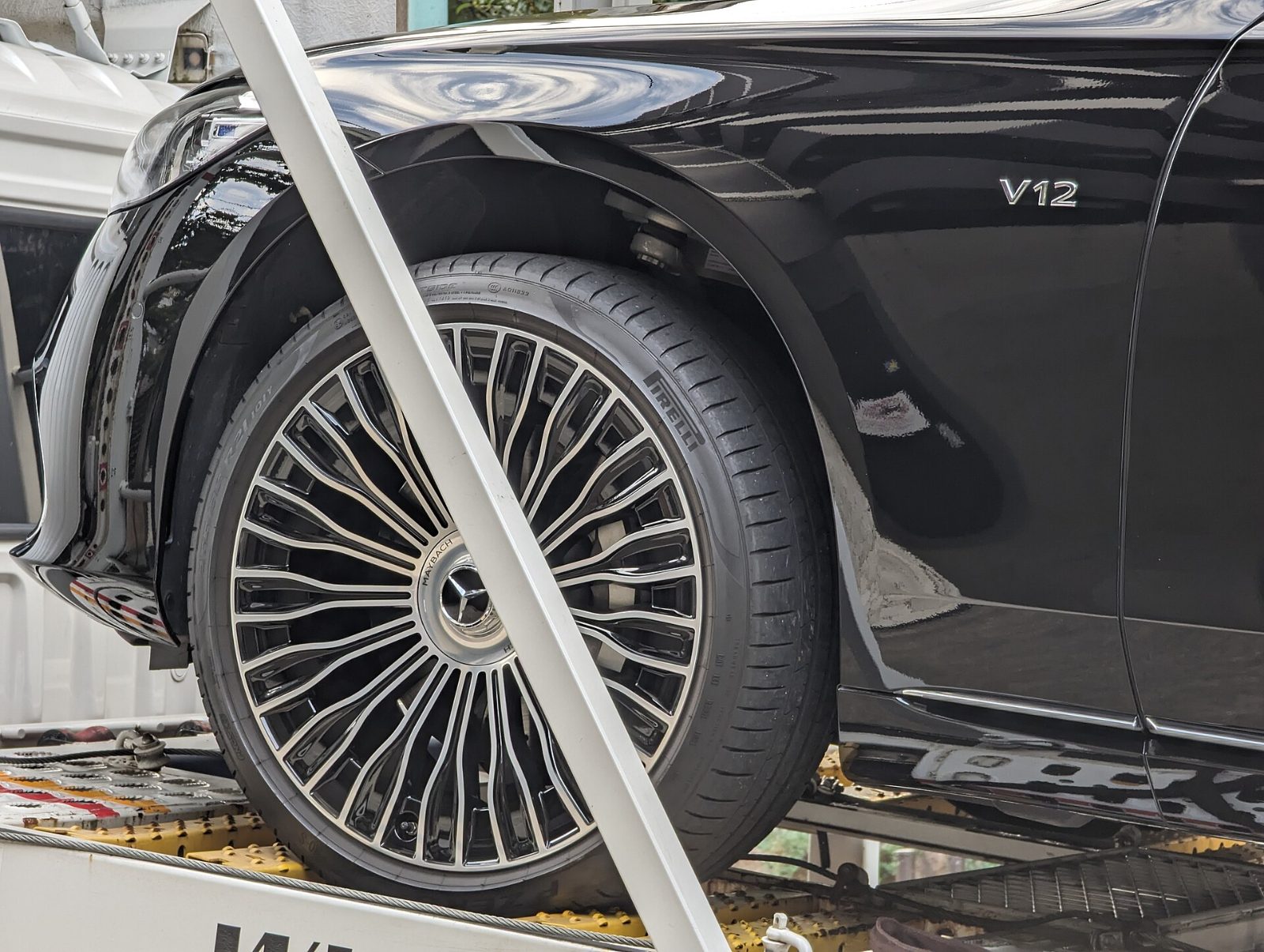
Exporting a car from the UAE means closing its local registration, getting an export certificate from the traffic authority of the emirate where it is registered, and handing the car to a shipper or driving it out on temporary export plates. Before any of that, the car must be free of traffic fines and any bank loan must be settled or released in writing.
In this guide
Who exports cars from the UAE
Three groups do this regularly. Residents leaving the country who want to take their car home or to a new posting. Traders who buy used cars in the Emirates and sell them in Africa, Central Asia or elsewhere in the Gulf. And owners who drive across a land border to Oman or Saudi Arabia and need the car to be recognised there long-term.
The paperwork logic is the same in each case. The UAE must be satisfied that the car leaves with no debts attached, and the destination country must receive documents that prove ownership and the car’s identity. The details differ by emirate and destination, so treat this as a map, not a substitute for the official service page.
The short version
- Clear all traffic fines and tolls linked to the car
- Get a bank clearance letter if the car was financed
- Apply for an export certificate or export registration with the traffic authority
- Fit export plates if you will drive it to the border
- Arrange shipping or a border crossing and customs paperwork
Step 1: clear fines, tolls and finance
Traffic authorities will not process an export while fines are outstanding. Check the car’s record on the relevant police or traffic app for every emirate it has driven in, because a fine from one emirate can still block a transaction in another. Settle toll balances as well.
If the car was bought on finance, the bank holds a mortgage on the registration. You need a clearance or release letter after the loan is paid off, and the traffic authority removes the mortgage from the record. This step can take several working days, so start early if you are leaving the country.
Step 2: decide how the car will leave
Shipping by sea
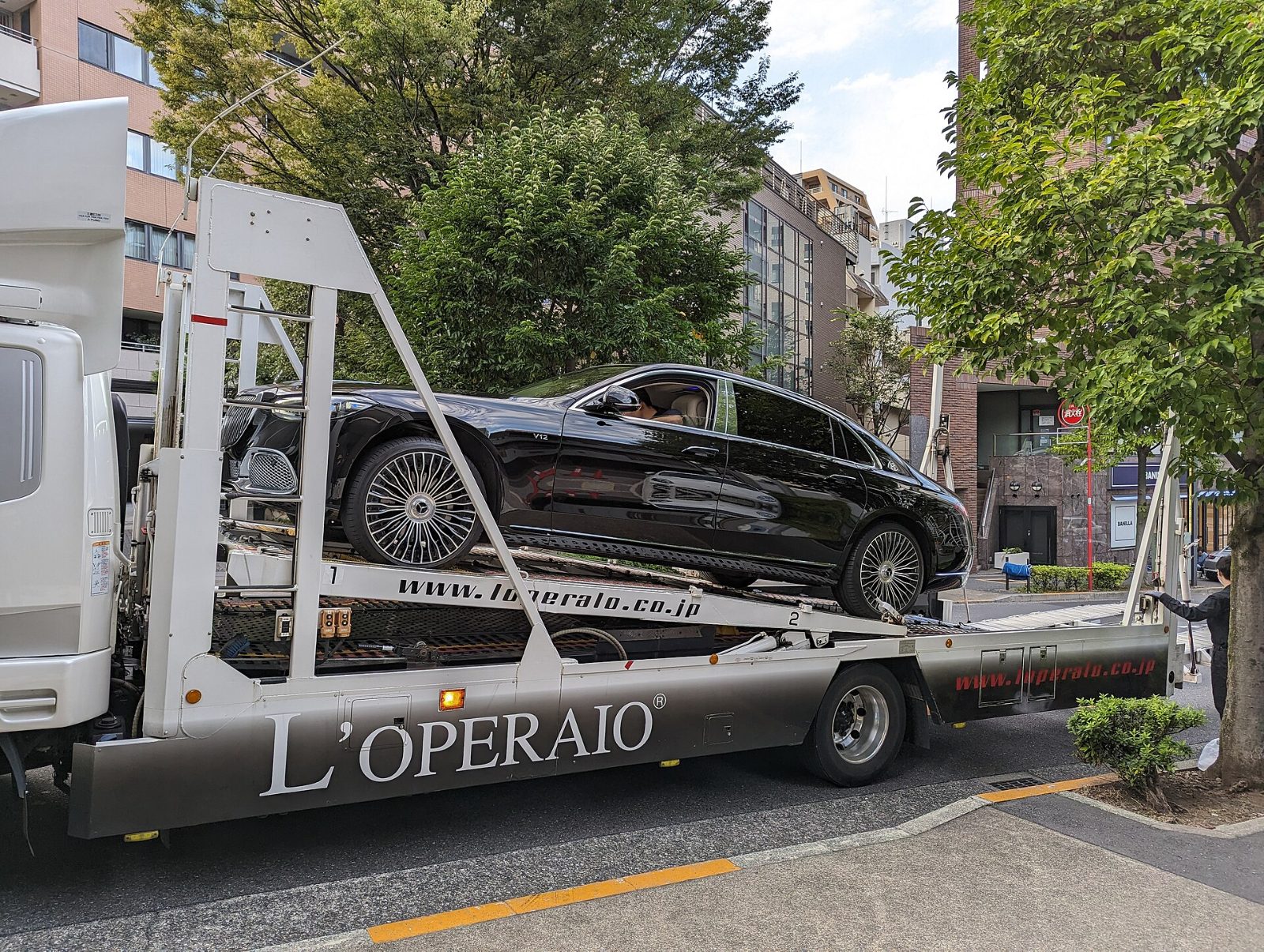
Most exports leave through the large ports, with Jebel Ali the usual choice for cars from Dubai and the northern emirates. You can ship in a container, which gives better protection and allows personal items in some cases, or roll-on roll-off, where the car is driven onto a specialised vessel. Your shipping agent will tell you which documents the port and the destination customs require.
Driving across a border
If you are driving to Oman or Saudi Arabia, you need plates and documents that the border will accept. Export plates are temporary plates issued for a car that is leaving the country. Border requirements, insurance for the destination and transit rules change, so confirm them with the border authority and your insurer before you set off.

Step 3: the export certificate
The export certificate confirms that the car is deregistered in the UAE for export. In Dubai this is an RTA service; in Abu Dhabi it is handled through the integrated transport platforms; the northern emirates have their own police traffic departments. Typical requirements include:
| Document | Why it is needed |
|---|---|
| Emirates ID or passport of the owner | Proves who is exporting the car |
| Vehicle registration card (mulkiya) | Identifies the car and its plates |
| Bank clearance letter, if financed | Shows the mortgage is lifted |
| Original plates, in many cases | Returned when the registration is cancelled |
| Shipping or customs paperwork, if requested | Links the export to an actual departure |
Some authorities also ask for a technical inspection or a chassis number check before issuing the certificate, especially for older cars. Fees exist for the certificate and for export plates, and they vary by emirate and service channel, so check the current amount on the official service page instead of relying on figures you see in forums.
Keep copies of everything
Scan the export certificate, the bill of lading and the customs declaration as soon as you have them. Destination customs often ask for documents months later, and replacements from the UAE are slower once you have left.
Step 4: customs and the destination country
UAE customs records the car leaving the country. The destination country then applies its own rules, which may include age limits on imported cars, left-hand drive requirements, emission standards and import duties. Some countries ban cars above a certain age; others charge heavy duties on large engines. This is the part that surprises people the most, and it is entirely outside the UAE’s control.
Before you pay for shipping, ask the customs authority or a licensed clearing agent in the destination country whether your specific car, by year and engine, can be imported and what it will cost.
Common problems and how to avoid them
- Fines discovered late. Check every emirate’s record, not just the one where the car is registered.
- Name mismatch. The name on the registration, Emirates ID and shipping documents should match exactly.
- Unclear finance release. Do not ship until the mortgage is removed from the traffic file.
- Missing keys or spare parts. Shippers may refuse cars that cannot be moved easily.
- Personal items. Many shippers and customs authorities restrict items left inside the car.
Our document checklists cover the paperwork side for related services, and the renewal cost planner helps you budget for fines and fees you need to clear first.
Exporting a car you just bought
Traders often buy a car and export it within days. In that case the car is usually transferred into the buyer’s name first, or exported directly with the seller’s cooperation, depending on what the authority accepts. Mixed-up ownership is one of the main reasons exports get stuck, so agree in writing who handles each step and who pays for what.
The UAE side of a car export is mostly about proving the car leaves with no fines and no loan; the expensive surprises usually happen at the destination.
Frequently asked questions
Do I need export plates if I ship the car?
Not always. Export plates are mainly for driving the car out by road. If a shipping agent collects the car, they will tell you whether the port needs anything beyond the export certificate.
Can I export a car that still has a loan?
Not until the bank issues a clearance letter and the mortgage is removed from the registration.
How long does the export process take?
The UAE paperwork can be quick once fines and finance are cleared. Bank releases and shipping schedules are usually what take the most time.
Can a company export a car registered to it?
Yes, but the authority will usually ask for the trade licence and an authorised signatory or representative instead of an Emirates ID.
Who tells me if my car can be imported at the destination?
The destination country’s customs authority or a licensed clearing agent there. UAE authorities cannot advise on foreign import rules.
Sources: RTA Dubai, Dubai Customs, UAE Government portal
Last reviewed: 2026-11-25.