
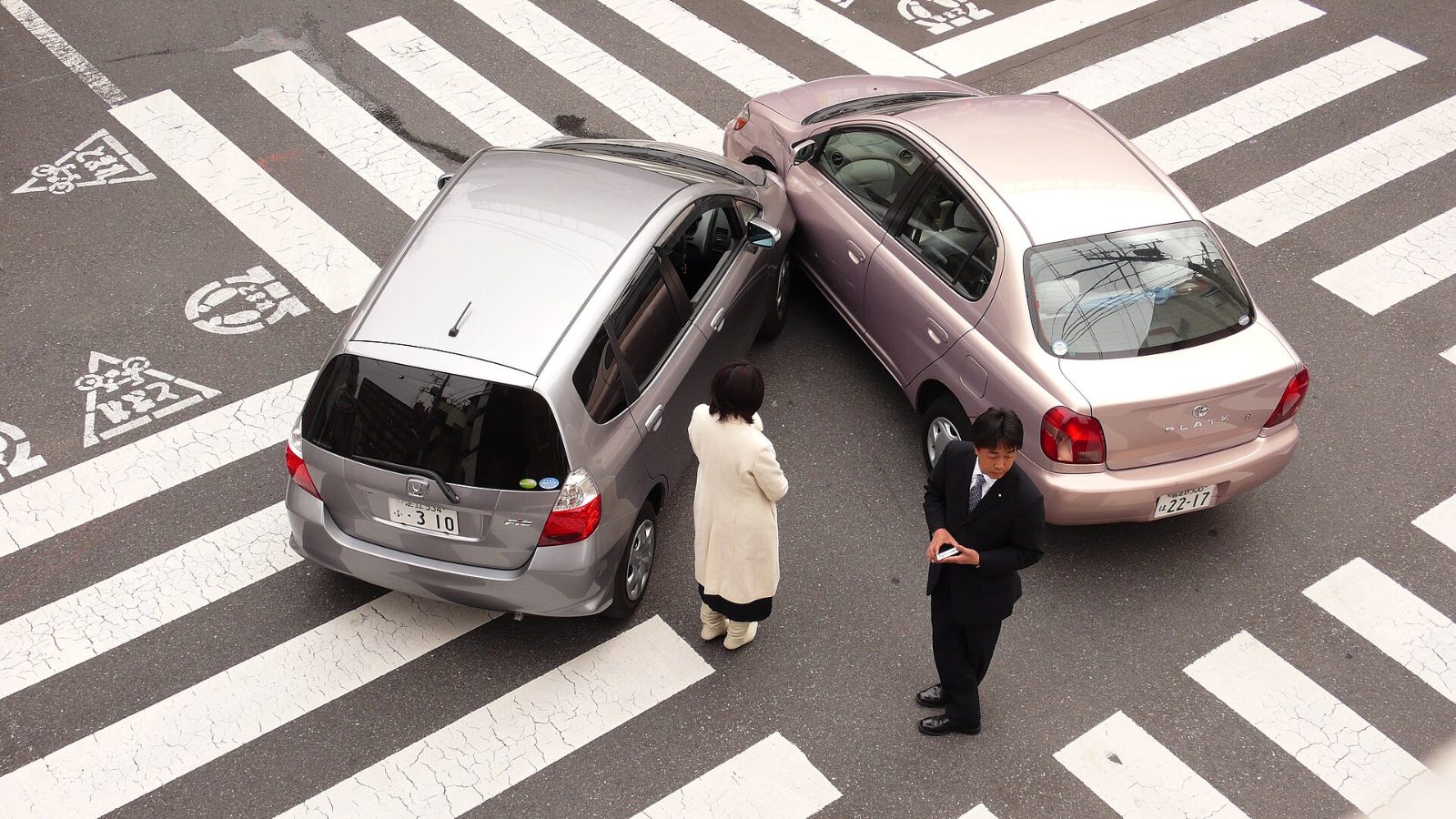
Every car registered in the UAE must have valid motor insurance, and registration or renewal is not possible without it. Third-party liability cover is the legal minimum; comprehensive cover, which also protects your own car, is optional but common for newer vehicles and usually required by banks for financed cars. The policy is linked electronically to the traffic system, so the authority can see it when you renew.
In this guide
How insurance and registration connect
When you register or renew a car, the traffic authority checks for a valid insurance policy covering the vehicle for the registration period. Insurers send policy details electronically to RTA, TAMM or the Ministry of Interior systems, depending on the emirate. If the policy is missing, expired or linked to the wrong chassis number, the renewal stops.
Insurance basics for registration
- Insurance is mandatory for every registered vehicle
- Third-party liability is the legal minimum
- Comprehensive cover adds protection for your own car
- Policies are recorded electronically with the traffic authority
- The policy must match the vehicle’s chassis number and owner
Third-party versus comprehensive
Third-party liability
Third-party cover pays for damage or injury you cause to others. It does not pay for damage to your own car. It is the cheapest option and is common for older, lower-value cars.
Comprehensive
Comprehensive cover adds damage to your own car from accidents, and often theft, fire and some natural events. Policies vary widely in what they include, such as agency repair, roadside assistance, rental car replacement and Oman cover.
| Feature | Third-party | Comprehensive |
|---|---|---|
| Damage to others | Covered | Covered |
| Injury to others | Covered | Covered |
| Damage to your car | Not covered | Covered, subject to excess |
| Theft and fire | Usually not covered | Usually covered |
| Agency repair | Not applicable | Optional on many policies |
| Required for financed cars | Rarely enough | Usually required by the bank |
What affects the premium
Insurers price policies based on factors such as the car’s value and type, the driver’s age and licence history, previous claims, the emirate and how the car is used. High-performance cars and young drivers pay more. A no-claims history usually lowers the price. We do not quote premiums because they vary by insurer and change frequently. Compare several quotes through insurers or licensed brokers.
Choosing the right policy
When comparing policies, look beyond the headline price:
- Excess: the amount you pay towards each claim. A lower premium may hide a higher excess.
- Agency or non-agency repair: agency repair uses the brand’s dealer workshops, which can matter for newer cars and warranty.
- Oman cover: essential if you drive to Oman; some policies include it, others need an extension.
- Roadside assistance: towing, battery boost and flat tyre help.
- Replacement car: useful if you rely on the car daily.
- Personal accident cover: for the driver and passengers.
- Natural events: check flood and storm coverage, especially after recent heavy rain events in the region.
Time the policy with your renewal
Ask the insurer to start the new policy on the day your registration renews, and keep the policy number ready. Many renewals fail because the old policy ended a day too early or the new one starts too late.
Insurance for different situations
New cars
Dealers often offer insurance at the point of sale. It may be convenient, but compare it with independent quotes.
Used car purchases
The buyer needs insurance in their own name before the transfer. Many insurers can issue a policy quickly with the chassis number. See our guide to vehicle ownership transfer.
Imported cars
Some insurers have restrictions on imported or older vehicles, or on cars with salvage history. Disclose the car’s history honestly; misrepresentation can void the policy.
Classic and modified cars
Classic cars may need specialist or agreed-value policies. Modifications should be declared, as undeclared changes can lead to claim refusals.
After an accident
Report any accident to the police, either by calling or using the police app for minor incidents where that option exists. Insurers usually need a police report to process a claim. Take photos, exchange details and contact your insurer as soon as possible. Do not repair the car before the insurer approves the claim, unless they tell you otherwise.
Cancelling or changing insurance
If you sell or export the car, cancel the policy after the transfer or deregistration is complete. Some insurers refund part of the premium for unused months. If you change insurers mid-year, make sure the new policy starts before the old one ends, so the car is never uninsured.
Documents insurers usually ask for
- Emirates ID and driving licence
- Vehicle registration card or chassis number
- Previous policy and no-claims certificate, if available
- Photos of the car for comprehensive cover on some policies
Our document checklists list paperwork for registration services, and the renewal cost planner helps you budget for insurance, inspection and fees together.
Using a no-claims history
A no-claims history is one of the most useful things a driver can bring to an insurer. If you move to the UAE from abroad, ask your previous insurer for a written no-claims letter in English; some UAE insurers will take it into account. When you change insurers within the UAE, request a no-claims certificate from the old one before the policy ends. Keep copies, because you may need them again years later when you buy a different car.
Insurance is the one document every registration needs; time it right, read the excess and declare everything.
Frequently asked questions
Is car insurance mandatory in the UAE?
Yes. Every registered vehicle must have at least third-party liability insurance.
Is third-party insurance enough for registration?
Yes, third-party cover meets the legal requirement for registration and renewal.
Does my insurance cover driving in Oman?
Only if the policy includes Oman cover or you buy an extension. Check before travelling.
Can I renew my registration if my insurance has expired?
No. You need valid insurance recorded in the system first.
Do I need a police report to claim?
In most cases yes. Insurers usually require a police report for accident claims.
Sources: UAE Government portal, RTA Dubai, Central Bank of the UAE
Cover photo: Shuets Udono, CC BY-SA 2.0. Last reviewed: 2026-11-25.